Rugged Ford Ranger T6 for Long Drives
Essential Checklist: Frequent Engine Problems and Vital Checks Before Buying a Ford Ranger T6
When looking into the acquisition of a Ford Ranger T6, a structured approach is essential. Frequent engine issues can lead to expensive fixes if left unchecked. Key checks, including checks for leaks and mechanical problems, prove vital in making an educated choice. Knowing the vehicle's background and recognizing signs of possible issues can provide valuable insights. But which particular aspects should buyers focus on to secure a trustworthy vehicle?
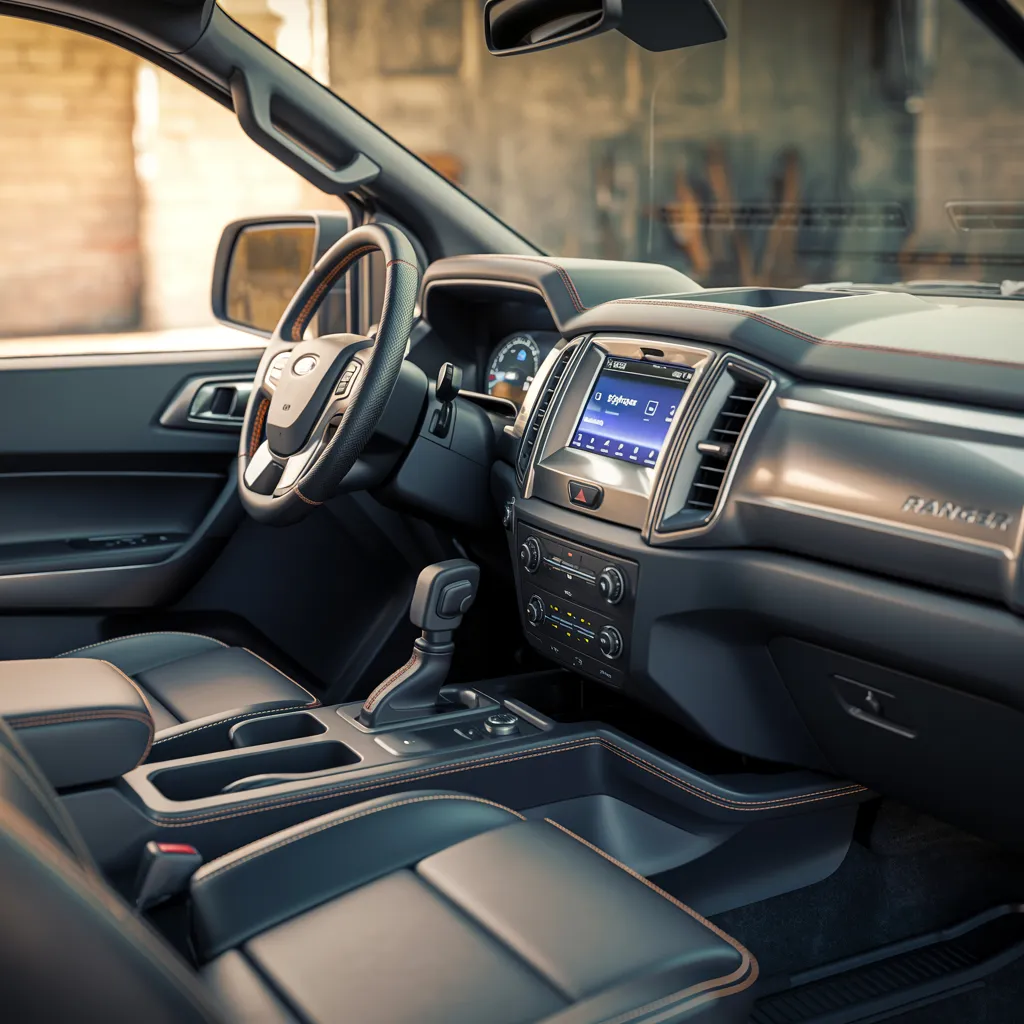
Recognize Frequent Engine Issues in Ford Ranger T6
Although the Ford Ranger T6 is renowned for its durability, it is still susceptible to engine problems that can affect reliability and performance. review article Common problems include oil leaks, often originating from gaskets or seals, which can result in reduced oil pressure and potential engine damage. Furthermore, fuel injector malfunctions may arise, causing rough idling and poor fuel economy. Drivers may also experience turbocharger issues, especially in diesel variants, which can reduce power output and elevate exhaust smoke levels.
A further widespread problem is the wear of the timing belt or chain, which, if ignored, can lead to devastating engine damage. Additionally, a faulty cooling system can lead to overheating, leading to serious engine complications. These problems emphasize the critical need for regular maintenance and thorough inspections for future purchasers to ensure the durability and dependability of the Ford Ranger T6.
Critical Overheating Indicators to Recognize in Ford Ranger T6
In the Ford Ranger T6, overheating can often manifest through specific warning light indicators on the dashboard. Additionally, a comprehensive check of the coolant level is essential to avoid engine damage. Detecting these indicators at an early stage can assist in minimizing severe engine complications.
Warning Light Indicators
How does a driver recognize overheating in a Ford Ranger T6? Among the most important signs is the temperature warning light located on the dashboard. If this light comes on, it is a clear signal that the engine temperature has gone beyond acceptable levels. Furthermore, drivers should remain watchful for any strange odors, including burnt oil or coolant, that may be associated with overheating. A noticeable decline in engine performance or power could likewise signal potential overheating concerns. Noticing steam or smoke emerging from beneath the hood is another concerning symptom that requires immediate action. Consistently keeping an eye on these warning indicators and symptoms can aid in preventing serious engine damage, preserving the durability and dependability of the Ford Ranger T6.
Coolant Level Inspection
Monitoring coolant fluid levels is essential for preventing overheating in the Ford Ranger T6. A depleted coolant level can cause engine overheating, potentially causing severe damage. It is important to regularly check the coolant reservoir, ensuring that the fluid is between the minimum and maximum marks. Evidence of coolant leaks, such as fluid pooling beneath the vehicle or a sweet odor, should not be overlooked. Additionally, the temperature gauge on the dashboard should be monitored; an increased reading may indicate insufficient coolant. A faulty thermostat or radiator can also lead to overheating, requiring immediate inspection. By staying vigilant about coolant levels and associated symptoms, owners can protect the integrity of their Ford Ranger T6 and avoid costly repairs.
How to Spot Engine Leaks in the Ford Ranger T6
Detecting engine leaks in the Ford Ranger T6 demands a careful eye and methodical approach. The primary step includes a visual inspection of the engine bay, scanning for any signs of oil, coolant, or other fluids accumulating beneath the vehicle. Common leak sources include the oil pan, valve covers, and gaskets. Employing a flashlight can assist in illuminating hard-to-see locations.
Next, the owner should monitor fluid levels regularly regularly; sudden drops can point to a underlying leak. A odor of burning oil or engine coolant can additionally signal a fluid leak.
In addition, positioning a fresh cardboard layer under the engine can help catch any fluid drops, helping to determine the source of the leak. In cases of persistent or severe leaks, consulting a professional is recommended, as specialized tools may be necessary to identify the issue with precision. Routine inspection can avoid additional damage and guarantee the durability of the vehicle.
What Oil Can Reveal About the Condition of Your Engine
The state of engine oil functions as a crucial indicator of the engine's overall health in the Ford Ranger T6. By analyzing the oil's hue and examining its thickness, it is possible to detect potential issues such as thermal damage or impurities. These inspections are vital for timely maintenance and avoiding serious engine deterioration.
Oil Color Assessment
In what ways does engine oil color indicate a vehicle's overall health? Engine oil color serves as a critical signal of its state and possible engine problems. Fresh oil typically appears amber, signaling its effectiveness in lubrication. Should the oil darken to a brown or black shade, it might suggest contamination or heavy wear, indicating the need for immediate oil replacement. A milky appearance may imply coolant leakage, a serious concern requiring immediate attention. Furthermore, metallic flakes found within the oil may indicate engine deterioration or damage. Monitoring the oil's color can therefore serve as a valuable diagnostic tool for prospective Ford Ranger T6 buyers, assisting them in evaluating the vehicle's overall engine health before purchase.
Viscosity Analysis Techniques
Viscosity testing plays an important role in determining engine health, particularly for the Ford Ranger T6. This method evaluates the oil's resistance to flow, offering valuable information about lubrication effectiveness and engine wear. Adequate viscosity ensures that engine components are sufficiently protected, reducing friction and preventing overheating. A considerable difference from the manufacturer's recommended viscosity can indicate problems such as contamination or oil degradation. Technicians frequently employ a viscometer to evaluate oil samples, examining temperature and shear stress factors. Furthermore, lubricant that seems overly thick or thin may indicate underlying problems, requiring additional examination. Routine viscosity assessments are vital to maintaining the engine's performance and longevity, establishing them as a fundamental part of the pre-purchase examination process.
Why Service History Matters for Engine Reliability
Consistently examining service history is crucial for understanding engine reliability in a Ford Ranger T6. A detailed service record provides insights into the vehicle's care history, revealing how well past owners have maintained the engine. Routine oil changes, prompt coolant replacements, and compliance with manufacturer guidelines suggest a proactive approach to maintenance, which can prolong the engine's lifespan.
On the other hand, a lack of service records or poor maintenance can signal potential issues. For instance, neglected upkeep can cause sludge deposits or damage to key mechanical components. Additionally, repair documentation reveals prior mechanical concerns, allowing prospective buyers to assess whether recurring issues may affect reliability in the future.
Questions to Ask the Seller About Engine Performance
Assessing past maintenance is merely the starting point when examining a Ford Ranger T6's engine performance. Prospective buyers should approach the seller using specific questions to gauge the vehicle's condition. Find out about any earlier engine maintenance or replacements, as well as the causes for such work. Questions regarding the intervals between oil changes and the specific oil type applied can reveal details regarding how well the vehicle was maintained.
In addition, asking about any indicator lights on the dashboard or diagnostic codes can uncover concealed faults. Potential buyers should furthermore seek details on the car's usage patterns, such as whether it was mainly used for everyday commuting or off-road use, which can have an effect on wear and tear on the engine. Finally, understanding the seller's motive for selling can provide understanding of possible issues. Collectively, these points of inquiry help form a better view of the Ford Ranger T6's overall engine condition and dependability.
Popular Questions We Receive
What Are the Usual Signs of Engine Wear in the Ford Ranger T6?
Typical indicators of engine wear in a Ford Ranger T6 include strange sounds, heavy smoke emissions from the exhaust, reduced power output, increased oil consumption, and alert lights on the instrument panel, suggesting possible underlying problems that require attention.
How Dependable Is the Ford Ranger T6 Engine When Measured Against Other Models?
The Ford Ranger T6 motor typically exhibits reliable performance when measured against other vehicles in its segment. Many owners frequently cite its durability, but regular maintenance remains essential to sustaining its efficiency and longevity over time.
Which Engine Modifications Require My Careful Consideration?
Caution is advised with changes that significantly impact performance, such as high-performance tuning chips or aftermarket turbochargers, as they can strain the engine and lead to reliability issues, likely invalidating warranties and elevating service costs.
Are There Particular Engine Codes to Look Out for in Diagnostics?
When diagnosing engine issues, specific codes like P0300 (random misfire), P0420 (catalytic converter below threshold), and P0171 (system too lean) require careful attention. These diagnostic codes often suggest underlying problems that warrant additional diagnostics.
How Does the Way You Drive Affect Ford Ranger T6 Engine Durability?
The way you drive considerably impacts the Ford Ranger T6's engine durability. Forceful acceleration, consistently high RPMs, and insufficient warm-up can lead to accelerated wear, while steady driving and regular maintenance encourage ideal performance and prolonged engine life.